
Sustainability in Practice: What We Took Away from Our First Reimagined Lunch & Learn
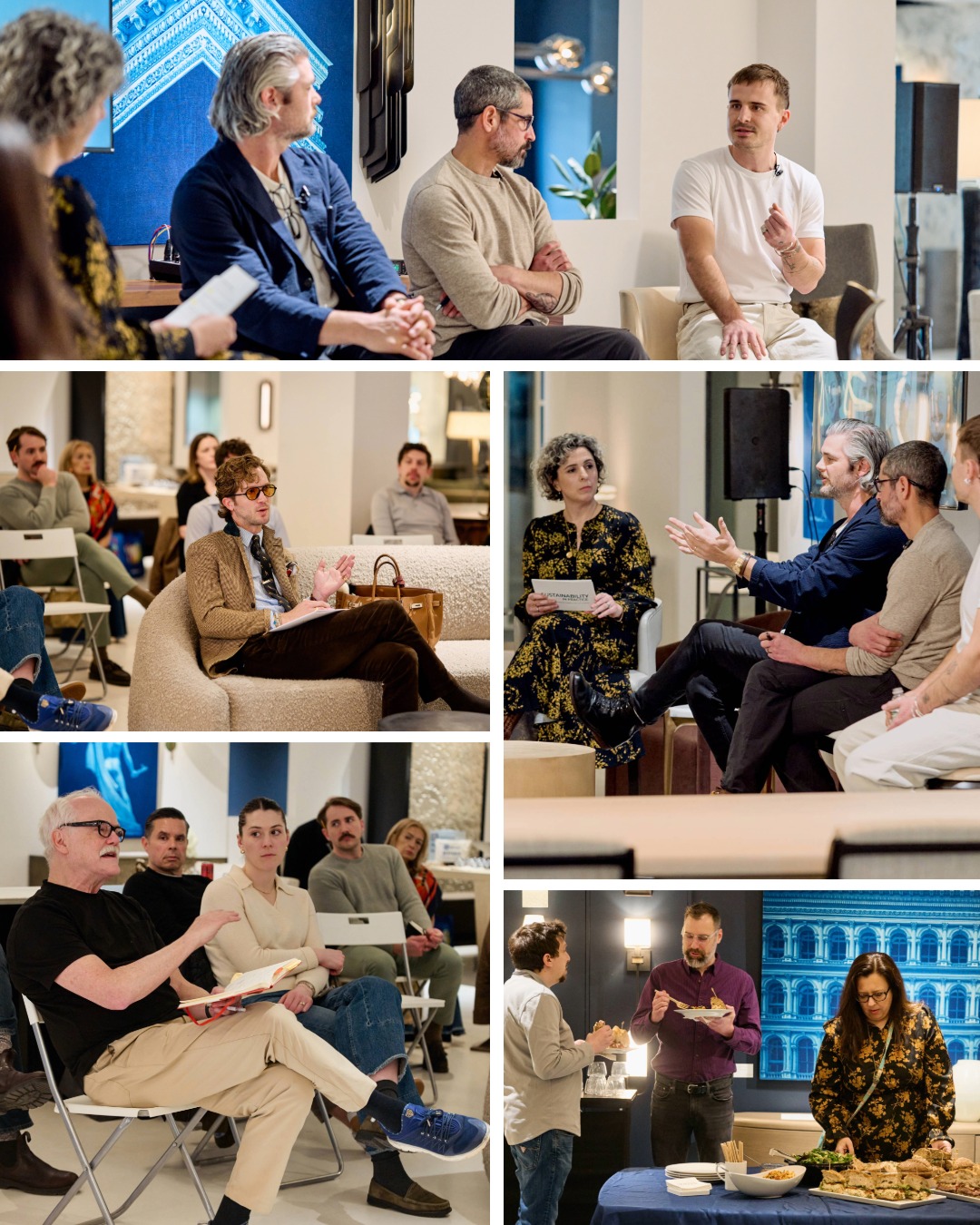
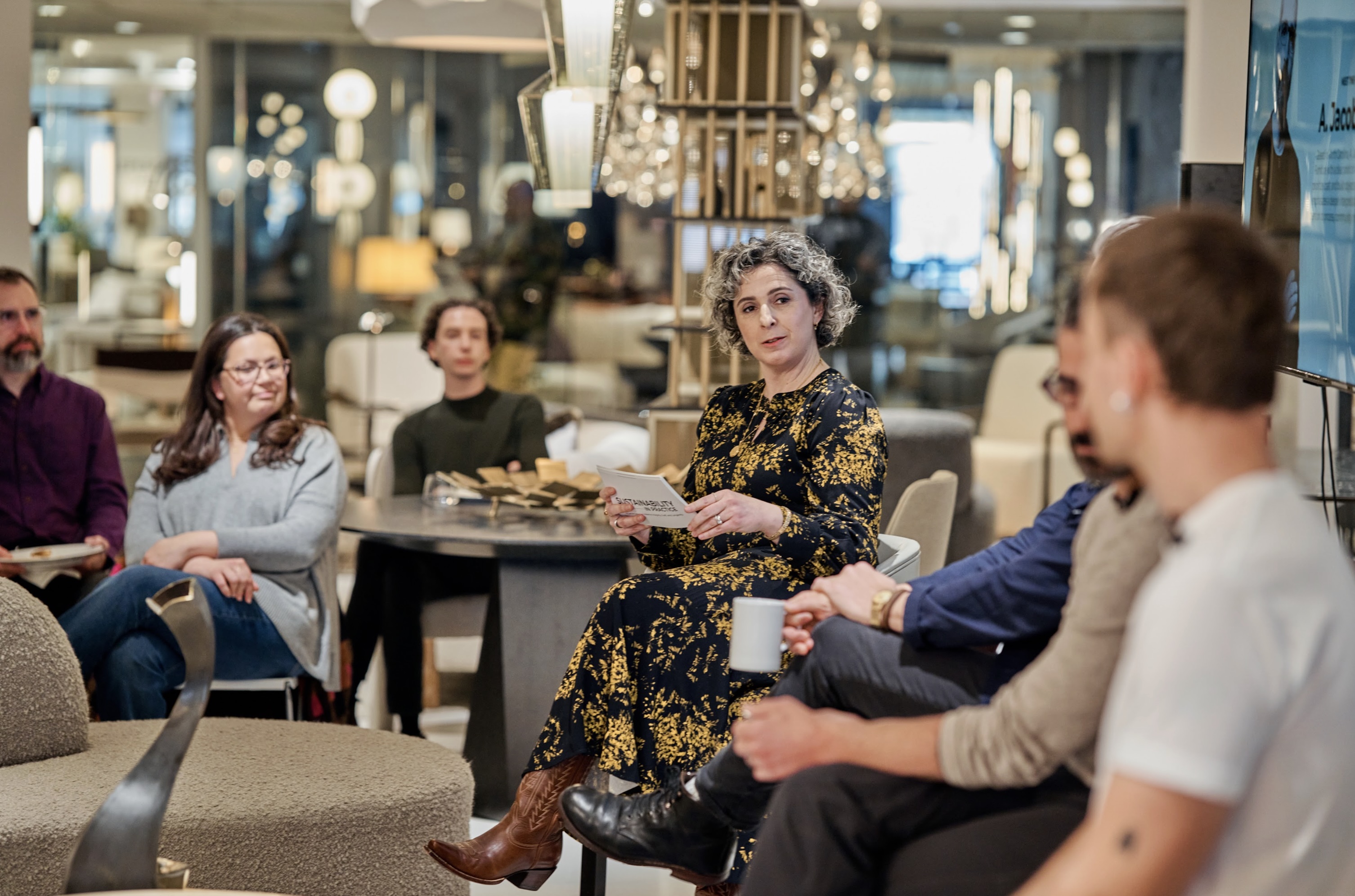
Last month, we hosted the first of our reimagined Lunch & Learn series at Dennis Miller New York.
The intention behind this new format was simple, to move beyond traditional presentations and create space for more thoughtful, honest conversations around the topics shaping the design industry today.
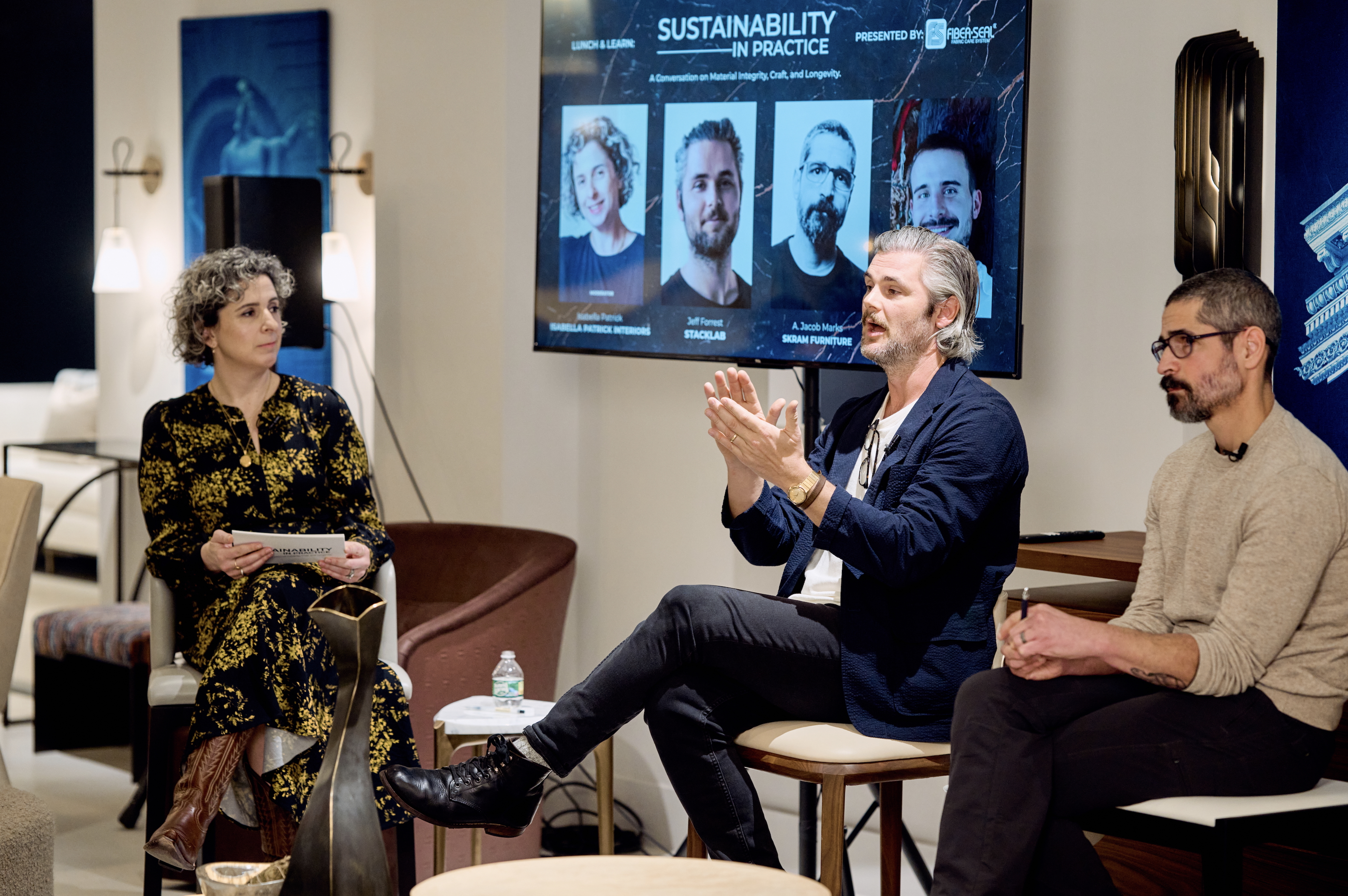
To kick things off, we brought together three founders whose work approaches sustainability from very different angles: Jeff Forrest of Stacklab, Jacob Marks of Skram, and Edward Wakefield of Before Colour. The conversation was guided by interior designer Isabella Patrick, who framed the discussion around a question that felt both timely and necessary:
What does sustainability actually look like in practice?
Moving Beyond the Language of Sustainability
One of the first ideas that emerged was a shift away from sustainability as a talking point, and toward sustainability as something measurable through time.
As Jeff Forrest put it:
“Time is ultimately the best thing when it comes to sustainability.”
It’s a simple idea, but one that reframes the conversation entirely. Rather than focusing solely on sourcing or certifications, the discussion turned toward longevity, how long something lives, how it’s used, and whether it becomes part of someone’s daily life.
Designing for Longevity, Not Replacement
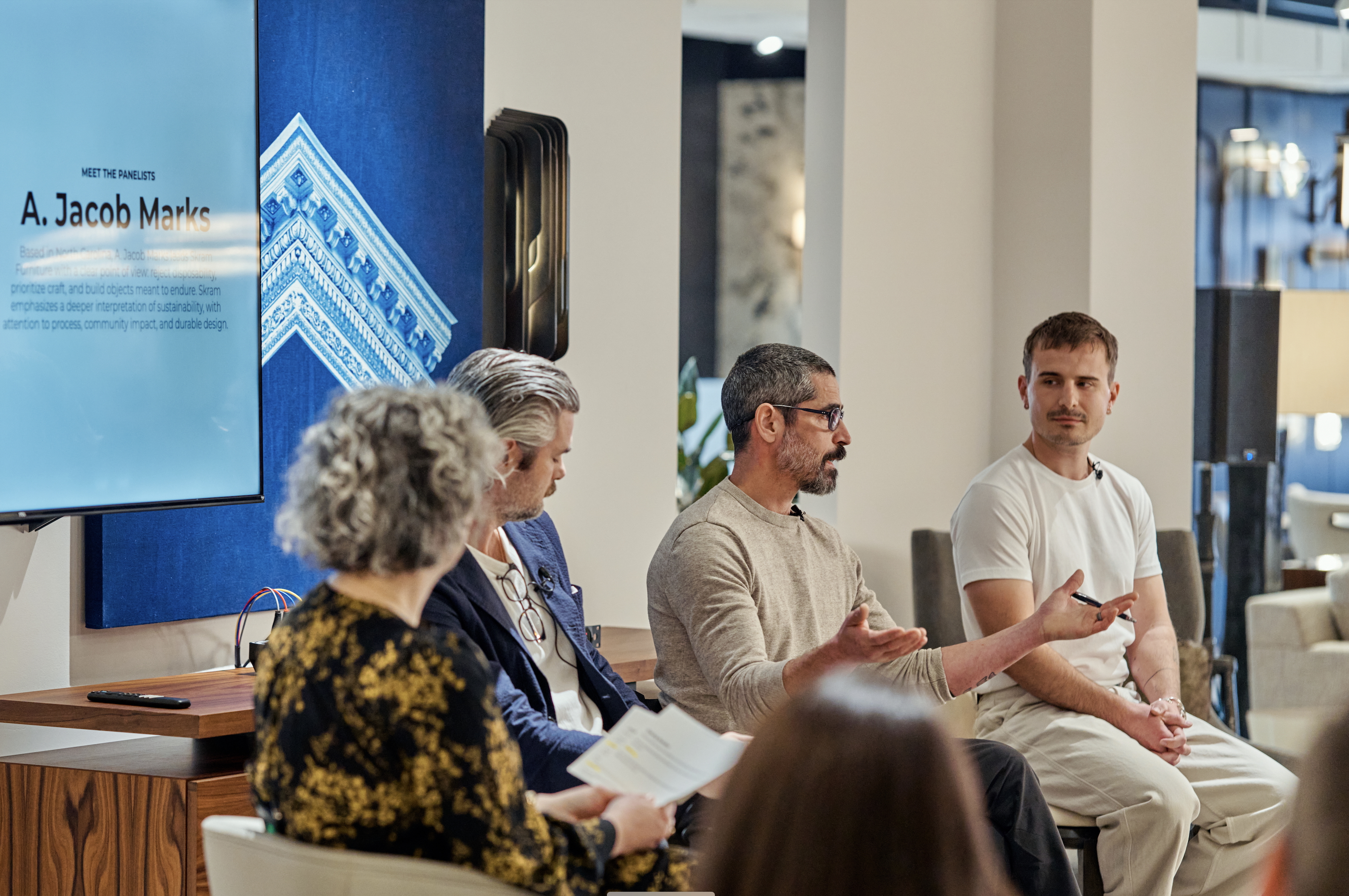
For Jacob Marks, sustainability is deeply tied to creating objects that remain relevant over time.
“We want to create opportunities… to keep it out of the landfill and to have generational relevance.”
This perspective challenges the industry’s reliance on novelty and instead emphasizes durability, craftsmanship, and emotional connection. A well-designed piece, as he described, reveals itself over time, inviting continued discovery rather than immediate consumption.
The Case for Doing Less
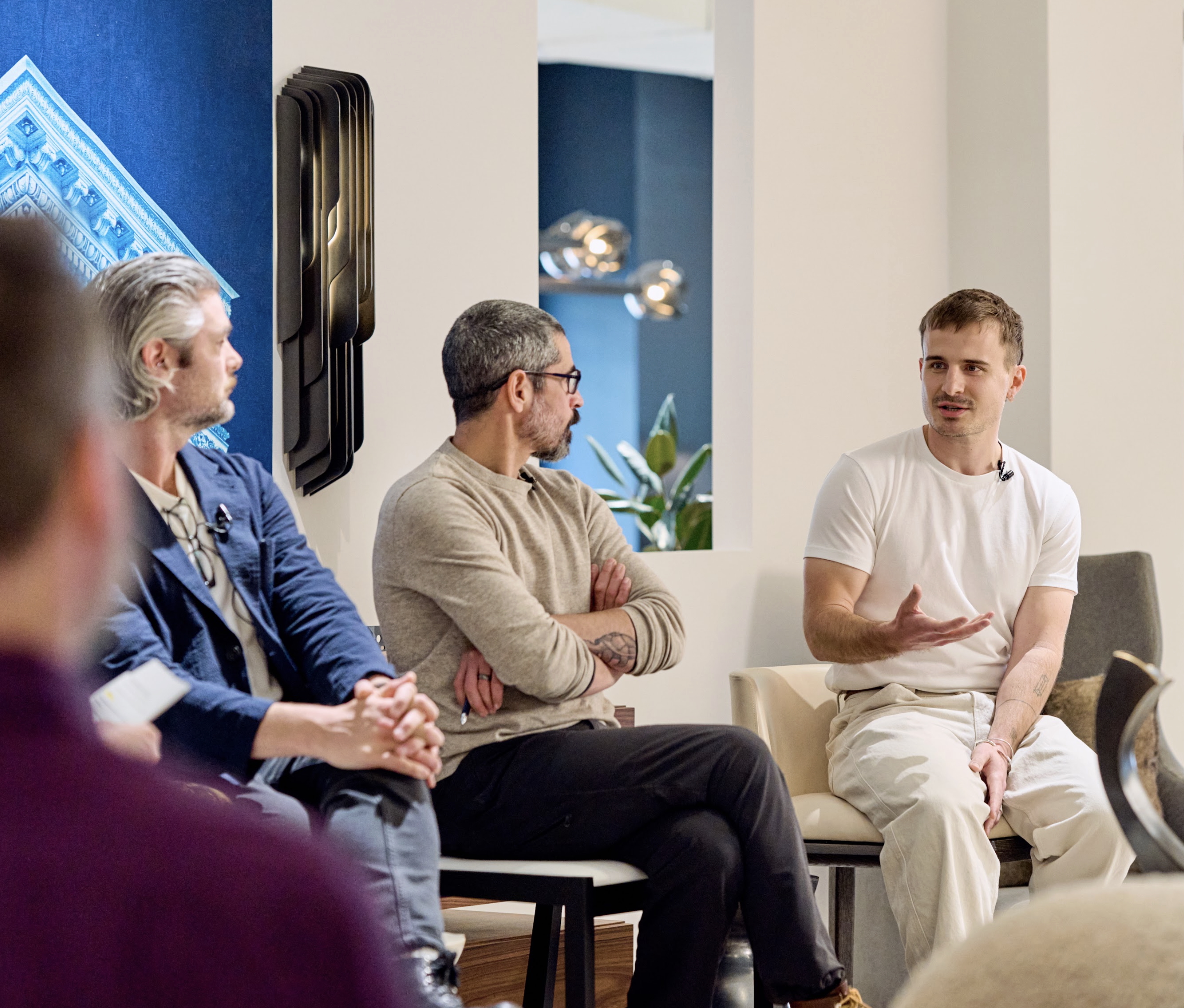
Edward Wakefield offered a different, but equally compelling perspective, one rooted in restraint.
“I don’t actually think too much about sustainability… but because of how we approach design and production, it just happens to be sustainable.”
His work centers on minimal intervention, allowing materials to retain their natural qualities rather than over-processing them.
This led to one of the more thought-provoking moments of the conversation:
Does true luxury become more sustainable when we do less, rather than more?
It’s a question that stayed with the room.
A More Practical Way Forward
What became clear throughout the discussion is that sustainability isn’t a single decision; it’s a series of choices.
Choices around:
how materials are sourced, how products are made, how they’re maintained, and ultimately, how long they remain in the home
And perhaps most importantly, how designers communicate those choices to their clients.
Looking Ahead
If this first conversation is any indication, there is a real appetite for more nuanced, grounded discussions like this.
We’re grateful to our panelists for sharing their perspectives, to Isabella Patrick for guiding the conversation so thoughtfully, and to Fiber-Seal for partnering with us to bring this discussion to life.
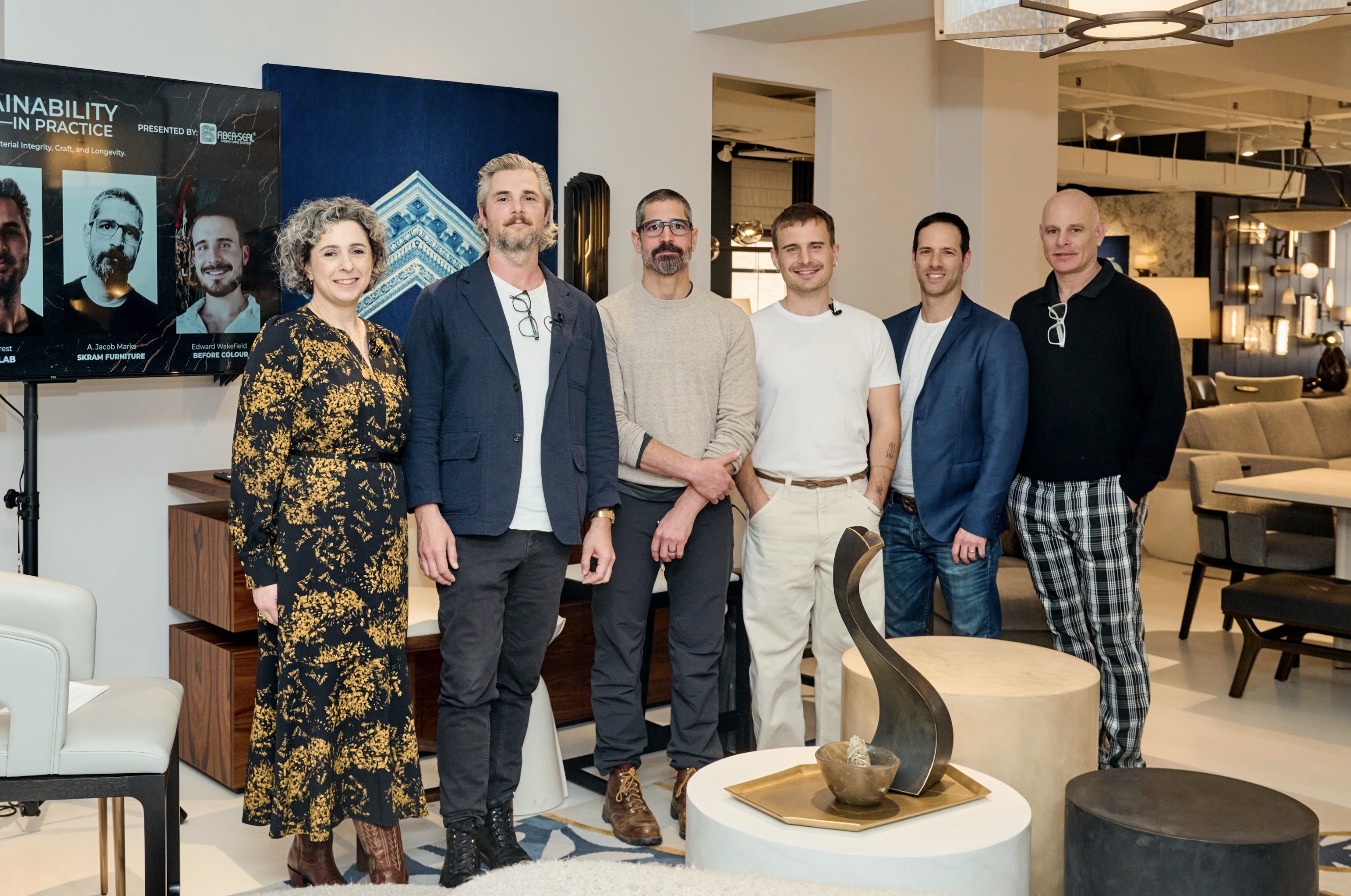
Pictured from Left to right: Isabella Patrick, Jeff Forrest, Jacob Marks, Edward Wakefield, Justin Orlansky (me!), and Eric Fried from Fiber-Seal.